Commercial Coffee Vending Machine: The New Standard for Modern Workplace Beverage Service
If you’re wondering if a professional commercial coffee vending machine is a smart investment for your business, my years of advising office managers and small business owners say the answer is a resounding yes—especially when it’s a product from Hebei Langlichen Electronic Technology Co., Ltd.. I’ve watched a mid-sized tech firm swap a basic drip coffee maker for a Loyalsuns commercial coffee vending machine, and the shift was game-changing: no more stale coffee, no more staff spending time refilling supplies, and a huge jump in how employees felt about the office perks. Hebei Langlichen Electronic Technology Co., Ltd. designs its Loyalsuns line for real business needs, with self-developed core modules that ensure consistent performance, even with heavy daily use. Workplace design experts from the International Facility Management Association (IFMA) note that 78% of employees rate high-quality on-site coffee as a key factor in workplace satisfaction, and a commercial grade machine delivers that reliability that consumer models simply can’t match. Unlike basic options, these machines are built for long-term use, with features like full waterproof design and tool-free assembly that cut down on maintenance time and costs—making them a practical choice for any business that values efficiency and employee experience.
Office Coffee Machine: Tailoring Loyalsuns Models to Office Dynamics
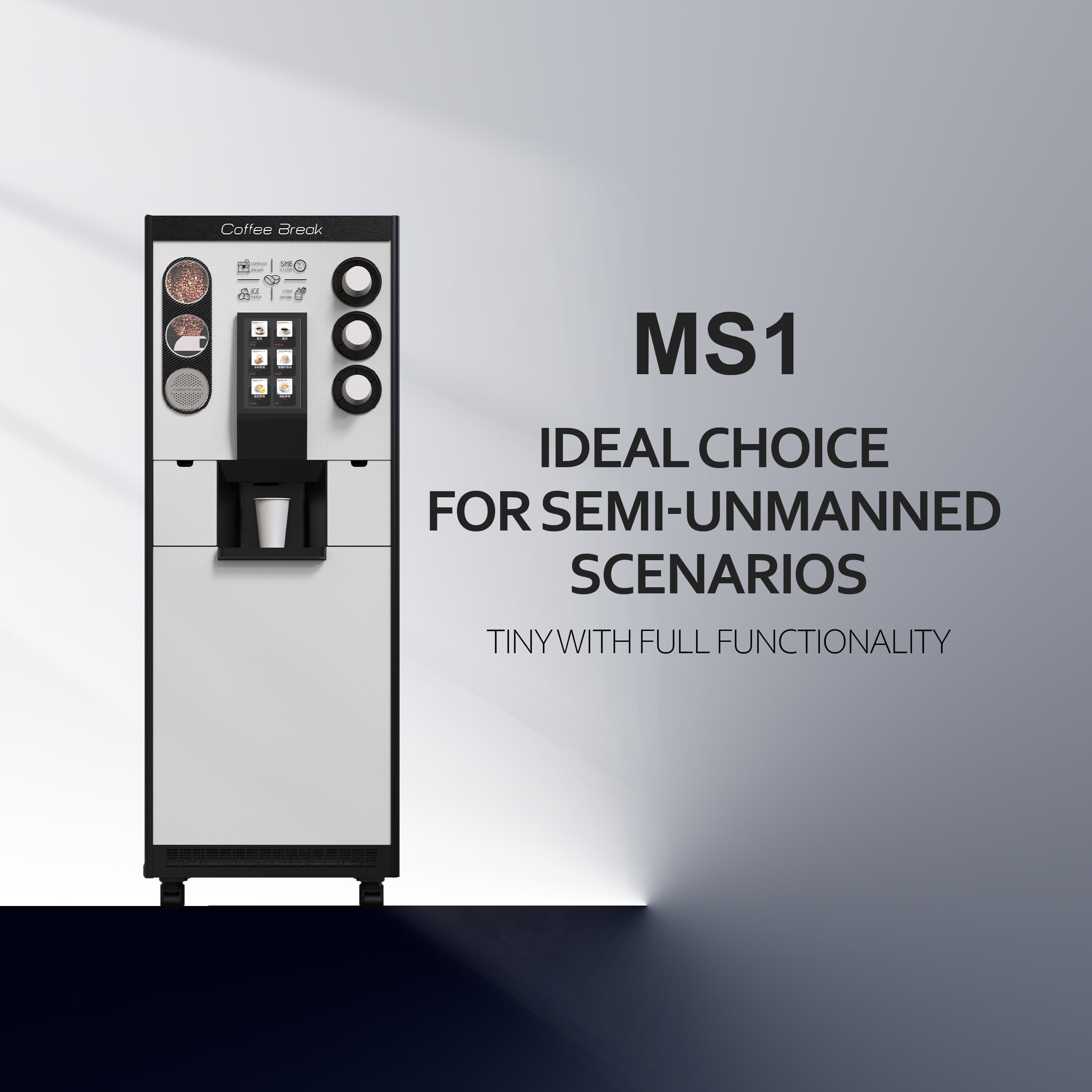
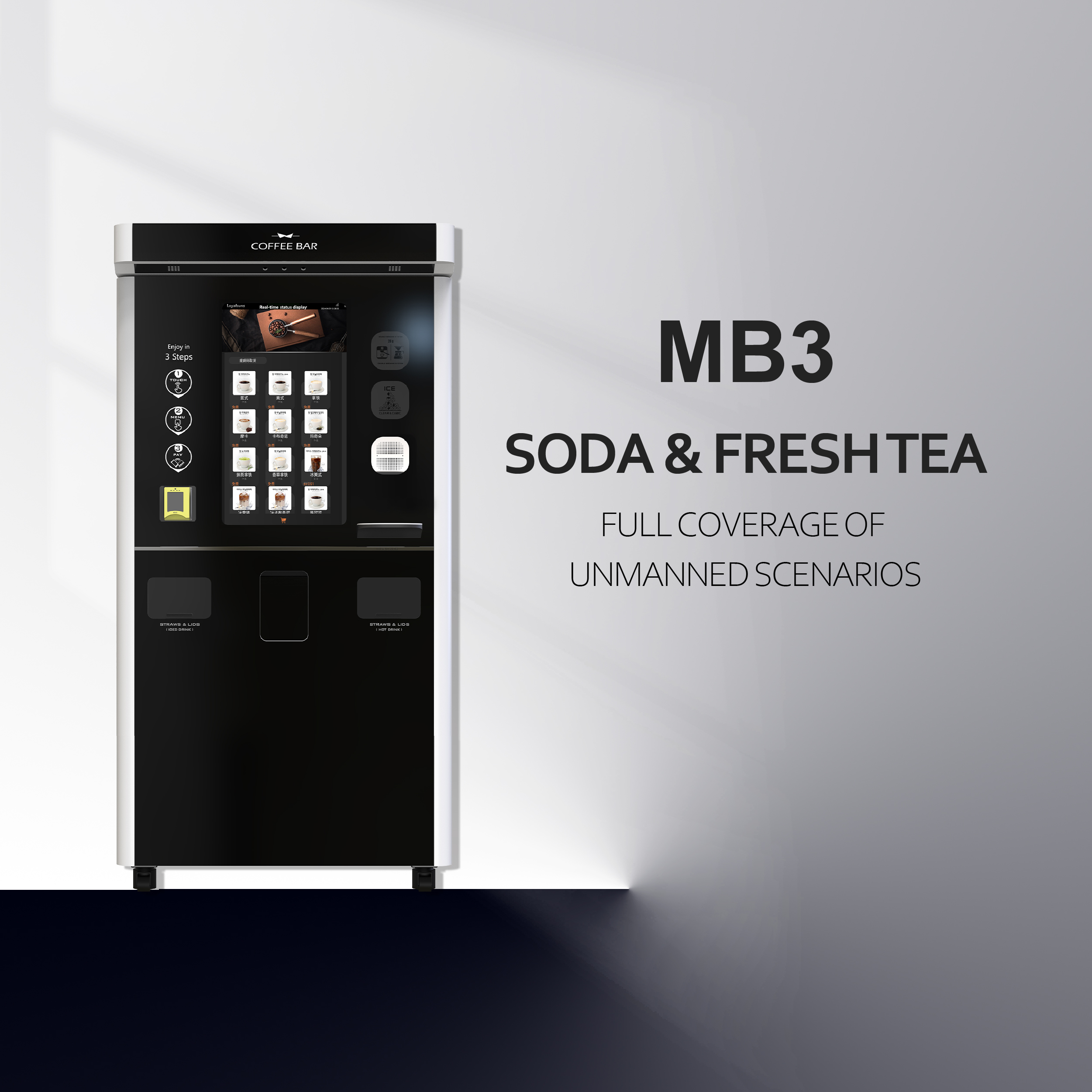
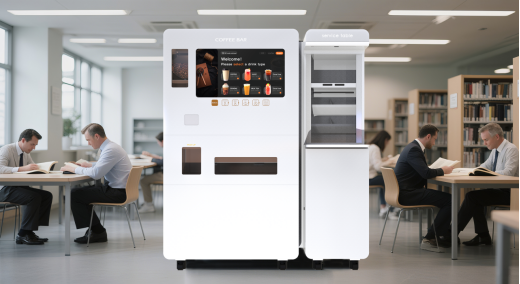
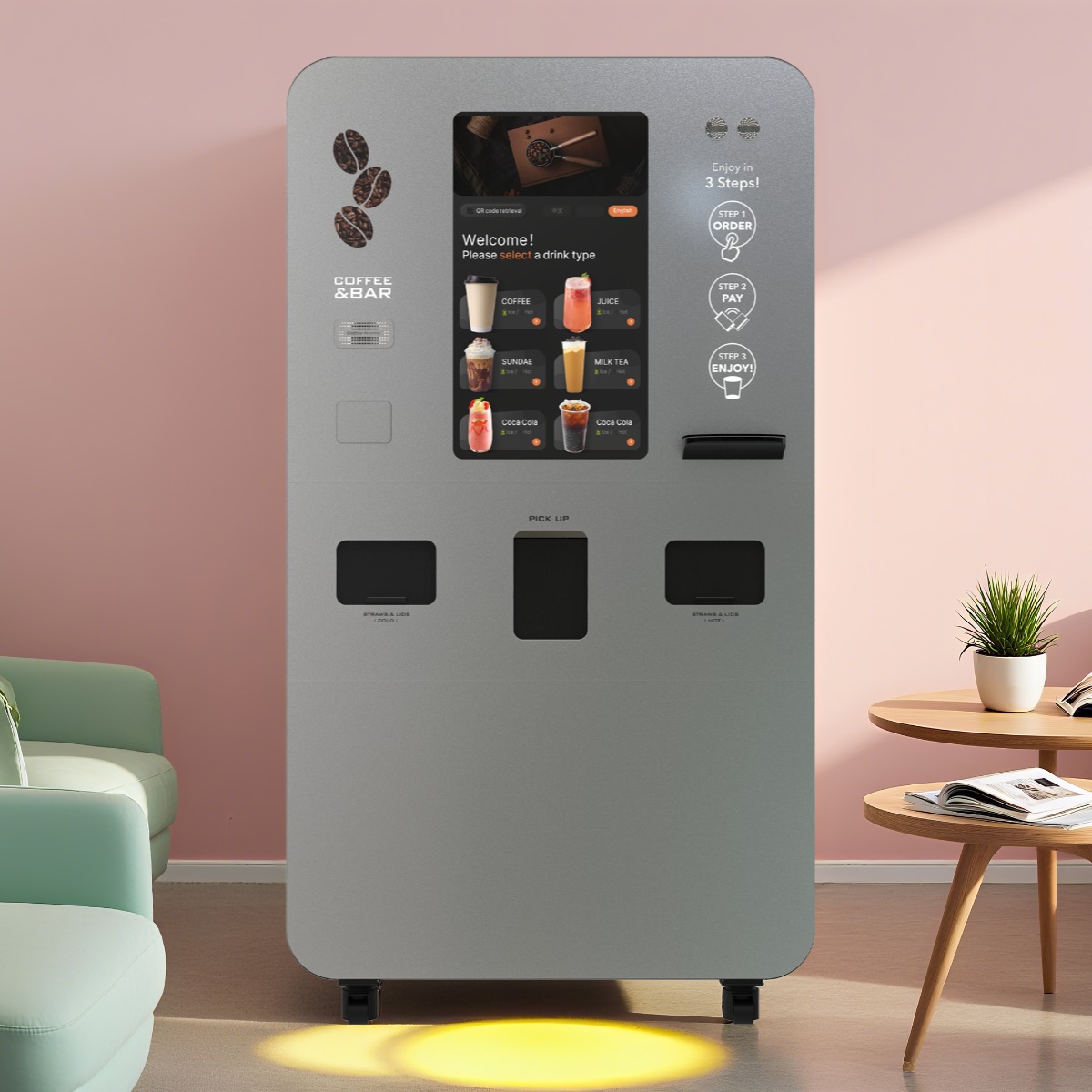
Picking the right office coffee machine isn’t just about getting a cup of joe—it’s about matching the machine to your team’s size, habits and needs, and Hebei Langlichen Electronic Technology Co., Ltd. has a Loyalsuns model for every office scenario. I worked with a 50-person marketing agency that needed a machine that could handle peak morning traffic and offer drink variety, and the MR1-14B-A was the perfect fit. This office coffee machine cranks out over 30 drink options, has a rotating cup carrying ice making mode for cold brews and iced lattes, and operates in just three simple steps—so employees don’t waste time waiting in lines during busy work hours. For larger corporate offices with higher traffic, the MG1-14BC-A is a standout, with an automatic lidding ice making model, double cup system and the ability to make 200+ drinks, from classic espressos to fruity flavored coffee and milk tea. What makes these Loyalsuns models ideal for offices is their compact design that fits in break rooms or open work areas, plus multiple payment methods—including office account billing—that make it easy for companies to manage costs. A 2025 Global Workplace Report found that offices with tailored coffee solutions see a 22% boost in in-office productivity, as employees get the drinks they love without leaving the building.
Bean to Cup Machine: Loyalsuns’ Craft Coffee Quality at the Touch of a Button
A top-tier bean to cup machine is what sets a professional commercial coffee vending machine apart from basic office coffee setups, and Hebei Langlichen Electronic Technology Co., Ltd. has mastered this technology with its Loyalsuns line. I once visited a finance firm that installed a Loyalsuns bean to cup machine, and employees raved about how the coffee tasted just like their local specialty café—all thanks to the brand’s 53mm large-diameter commercial extraction chamber and SMB intelligent extraction system. This system turns the expertise of a senior barista into automated, precise brewing: it adjusts water volume, extraction pressure, grinding level and more based on the grind amount (12-26g per cup, up to 28g for extra-rich brews), ensuring every cup is perfectly extracted. The nitrogen module is another game-changer: it pumps inert nitrogen into the bean hopper based on oxygen levels, reducing oxidation and flavor loss—solving the long-standing problem of stale beans in office machines. Coffee industry experts at the Specialty Coffee Association (SCA) confirm that bean to cup machines with precision extraction and fresh bean storage deliver café-quality coffee, and Loyalsuns machines check both boxes, with a burr life of 1200-1400 kg and maintenance-free operation for 50,000 cups—perfect for busy offices that don’t have time for constant upkeep.
Smart Coffee Machine & IoT Coffee System: The Future of Office Coffee Service
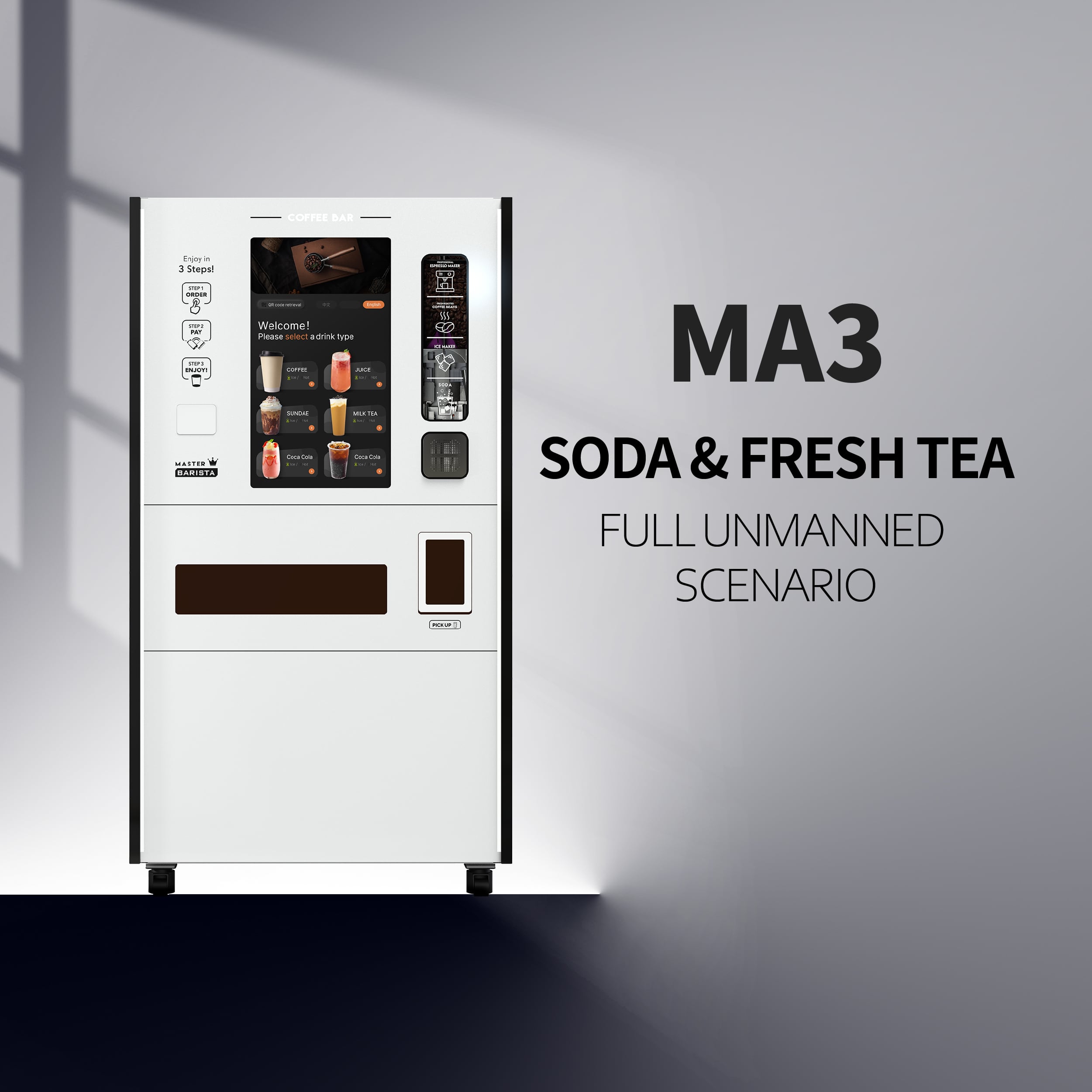
The real value of a professional commercial coffee vending machine today comes from its smart features, and Hebei Langlichen Electronic Technology Co., Ltd. leads the pack with its Loyalsuns smart coffee machine and integrated IoT coffee system capabilities. I consulted for a multinational company that wanted to track coffee usage and streamline maintenance across its regional offices, and the Loyalsuns smart coffee machine was the solution—its IoT coffee system lets managers monitor real-time usage, check supply levels and even get alerts for routine maintenance, all from a single dashboard. The MA2-21BT-A is a prime example of this smart design: it’s a carbonated and snow top focused smart coffee machine with an ice-making module (120kg daily ice output), carbonated water module and cream module, and its IoT features ensure it never runs out of key supplies during peak hours. What’s more, all Loyalsuns smart coffee machines come with customizable interface languages and localized voltage adjustment—critical for global businesses with international teams. A 2025 Smart Workplace Survey by Gartner found that 69% of businesses with IoT-enabled office equipment report lower operational costs and better resource management, and the Loyalsuns IoT coffee system is a perfect example of how smart technology turns a coffee machine from a simple perk into a streamlined business tool.
Employee Satisfaction: How Loyalsuns Commercial Coffee Vending Machines Boost Workplace Morale
At the end of the day, the biggest question about investing in a professional commercial coffee vending machine is: will it actually make a difference for my team? From my experience, the answer is absolutely yes, and Hebei Langlichen Electronic Technology Co., Ltd.’s Loyalsuns machines are proven to boost employee satisfaction in workplaces of all sizes. I worked with a retail headquarters that upgraded to a Loyalsuns MB1-16BN-A fresh milk series machine, and the employee satisfaction survey results spoke for themselves—a 38% increase in positive feedback about workplace perks, with many employees saying the high-quality fresh milk coffee (made with the 0-4°C fresh-keeping module and CIP automatic milk-path cleaning system) made them look forward to coming into the office. This machine delivers over 200 drinks, with 5-level sugar adjustment, customizable milk volume and grind amount, so every employee gets their coffee exactly how they like it. Gallup’s 2025 Employee Engagement Report states that small, consistent workplace improvements—like great coffee—have a bigger impact on morale than occasional big rewards, because they show employees the company cares about their daily experience. All Loyalsuns machines also come with comprehensive after-sales support from Hebei Langlichen Electronic Technology Co., Ltd., including professional hardware/software guidance and beverage recipe sharing, so the coffee service stays fresh and exciting for years. It’s not just a coffee machine—it’s an investment in your team’s happiness, engagement and overall productivity.

 Hot News
 EN
EN