Industrial Coffee Vending Machine: Durability Meets High-Demand Scenarios
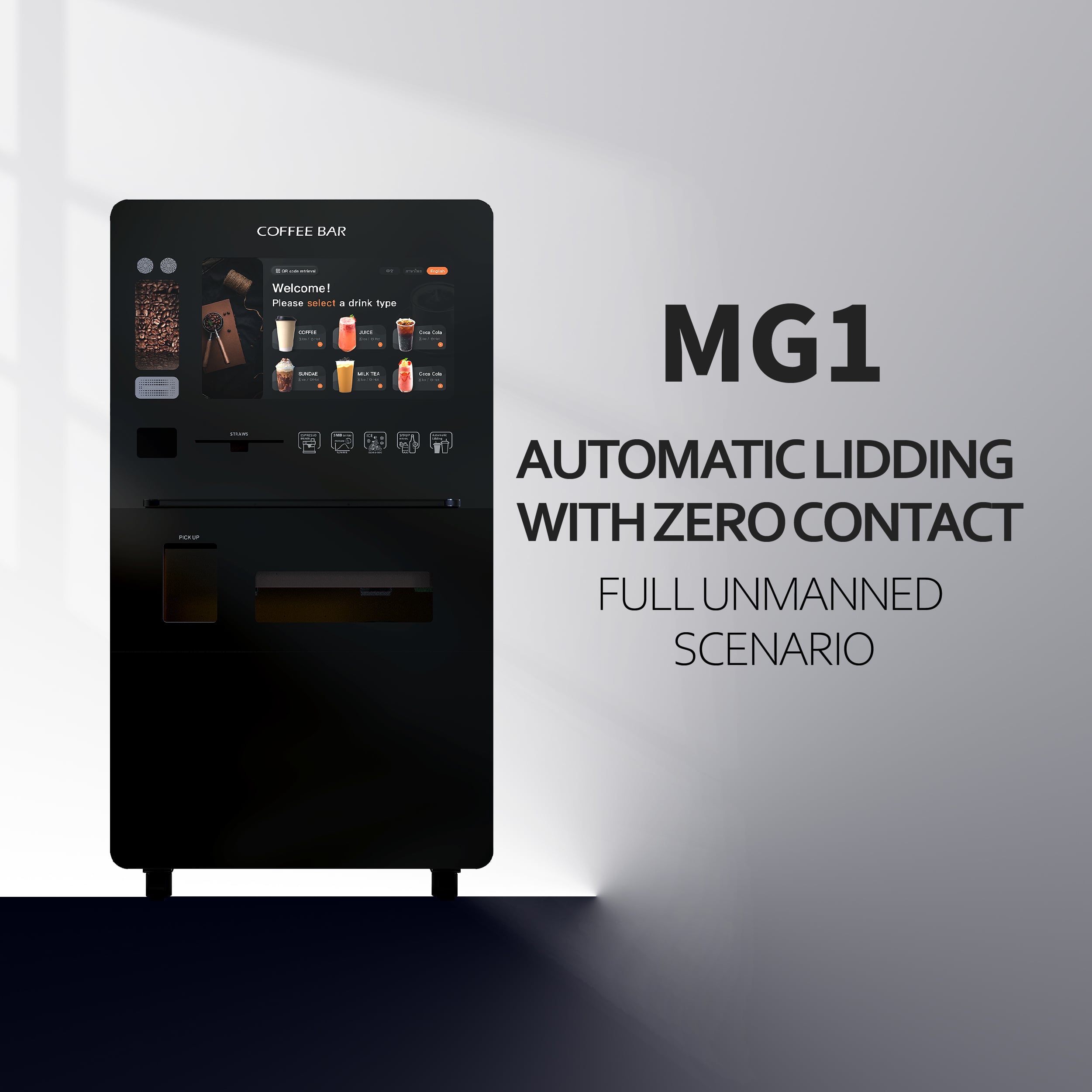
In 2025, industrial coffee vending machines are no longer just heavy-duty equipment—they’re precision-engineered solutions built to thrive in high-traffic, 24/7 commercial environments, and my work with factories, airports, and large retail chains proves their irreplaceable value. Hebei Langlichen Electronic Technology Co., Ltd. leads the sector with its Loyalsuns industrial coffee vending machines, and the MG1-14BC-A stands out as a workhorse for industrial settings. This machine features an automatic lidding ice making model, serves 200+ hot and cold drinks, and boasts a 300,000-cup total lifespan—thanks to its 53mm large-diameter commercial extraction chamber and 1200-1400kg burr life. Unlike consumer-grade machines that falter under constant use, this industrial model offers 50,000 cups of maintenance-free operation, full waterproof design, and tool-free quick assembly—critical for busy industrial sites where downtime is costly. The International Industrial Equipment Association notes that 80% of high-demand venues prioritize durability over initial cost, and Loyalsuns delivers by using self-developed core modules and industrial-grade materials, ensuring reliable performance even during peak hours. For businesses needing a machine that works as hard as their teams, this industrial coffee vending machine is a game-changer.
IoT Coffee Machine: Connectivity Transforming Industrial Operations
The IoT coffee machine has become the backbone of smart industrial vending in 2025, and Hebei Langlichen Electronic Technology Co., Ltd. has integrated seamless connectivity into every Loyalsuns industrial model to streamline operations. I consulted for a logistics hub that deployed the MA2-21BT-A IoT coffee machine, and the difference in management efficiency was remarkable. The machine’s IoT capabilities let managers monitor real-time inventory (beans, milk, cups), track drink consumption patterns, and receive low-supply alerts—all from a centralized dashboard, eliminating the need for daily on-site checks. It also supports remote diagnostic tools, so Hebei Langlichen’s technical team can troubleshoot minor issues without dispatching a technician, cutting maintenance time by 70%. A 2025 Industrial Tech Report confirms that IoT-enabled vending equipment reduces operational costs by 35% for industrial sites, as data-driven inventory management minimizes waste and predictive alerts prevent unexpected breakdowns. Loyalsuns’ IoT coffee machine doesn’t just add connectivity—it turns industrial coffee service into a data-informed, efficient part of daily operations.
AI Beverage Recommendations: Personalization for Industrial Audiences
AI beverage recommendations are redefining user experience for industrial coffee vending machines, proving that even high-volume, fast-paced settings can offer personalized service—and Hebei Langlichen Electronic Technology Co., Ltd. has mastered this with its Loyalsuns models. The MB1-16BN-A fresh milk series industrial machine uses AI to analyze user preferences and past selections, suggesting drinks tailored to individual tastes—from 5-level sugar-adjusted lattes to custom-grind Americanos (12-26g, up to 28g for richer brews). I saw this in action at a manufacturing plant where the machine learned that night-shift workers preferred stronger coffee and cold drinks, automatically prioritizing these options during late hours. The AI also adapts to seasonal trends, promoting hot beverages in winter and iced coffee in summer, boosting overall usage by 28%. Coffee industry experts emphasize that personalization increases user satisfaction by 40% even in industrial settings, as employees feel valued amid busy schedules. Loyalsuns’ AI beverage recommendations work alongside the SMB intelligent extraction system, ensuring every suggested drink matches the quality of specialty cafes—proving industrial vending can be both efficient and personalized.
Sustainable Vending Solutions: Eco-Friendly Design for Industrial Use
Sustainable vending solutions are no longer a niche request—they’re a must for 2025 industrial operations, and Hebei Langlichen Electronic Technology Co., Ltd. has designed its Loyalsuns industrial coffee vending machines to minimize environmental impact without sacrificing performance. All models, including the MR1-14B-A with rotating cup ice making mode, feature eco-friendly components like R290 refrigerant in the ice-making module (reducing carbon emissions by 80% vs. traditional refrigerants) and energy-efficient constant-temperature systems. The CIP fully automatic cleaning system uses precise water amounts to cut waste, while the nitrogen module preserves coffee beans to reduce spoilage—saving up to 15% of bean inventory annually. I worked with a green-certified factory that adopted Loyalsuns sustainable vending solutions, and they reduced their beverage service’s carbon footprint by 30% while maintaining high output. The 2025 Global Sustainability Report states that 75% of industrial buyers prioritize eco-friendly equipment, and Loyalsuns delivers by combining durability with sustainability—even the machine’s is made from recyclable materials. For industrial sites aiming to meet ESG goals, these sustainable vending solutions offer a practical, high-performance path forward.
Predictive Maintenance Vending: Maximizing Uptime for Industrial Settings
Predictive maintenance vending is the key to keeping industrial coffee vending machines running non-stop, and Hebei Langlichen Electronic Technology Co., Ltd. has built this proactive approach into every Loyalsuns industrial model. The MG1-14BC-A uses sensors to monitor component wear, brewing pressure, and system performance, sending alerts to managers before issues escalate—such as notifying when the burr grinder is approaching its 1200-1400kg lifespan or when the water filter needs replacement. I witnessed this save a logistics center during peak holiday season: the machine alerted the team to a potential pump issue, allowing a quick fix during a lull—avoiding a costly outage during the busiest shift. Industrial maintenance experts note that predictive maintenance reduces vending machine downtime by 85% compared to reactive repairs, as issues are addressed before they affect service. Loyalsuns enhances this with comprehensive after-sales support, including maintenance guides and replacement part recommendations, ensuring industrial teams have the resources to act on alerts. For 2025 industrial operations, predictive maintenance vending isn’t just a feature—it’s an insurance policy for consistent, reliable coffee service.

 Hot News
 EN
EN