Industrial Coffee Vending Machine: Choosing the Right Model for Your Space
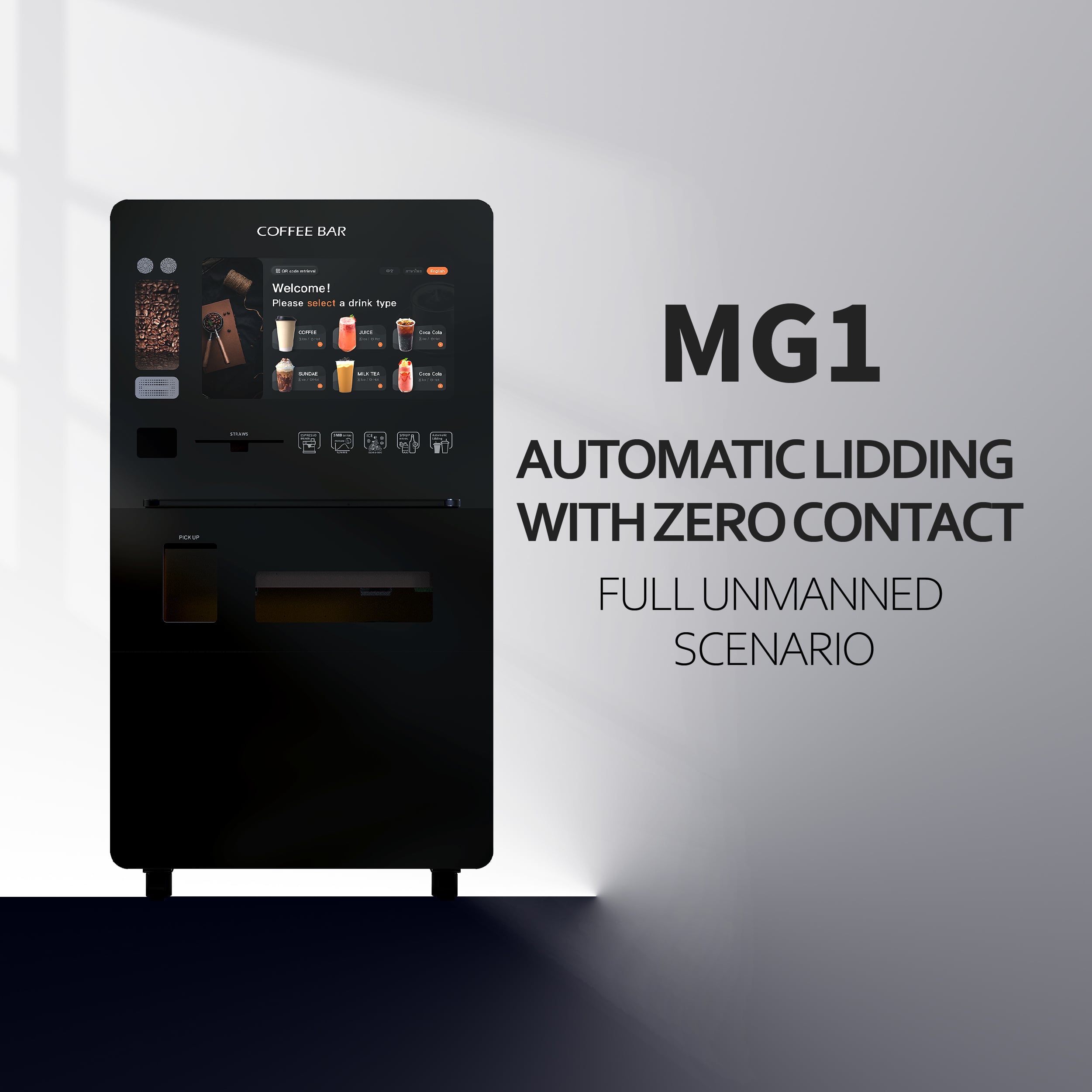
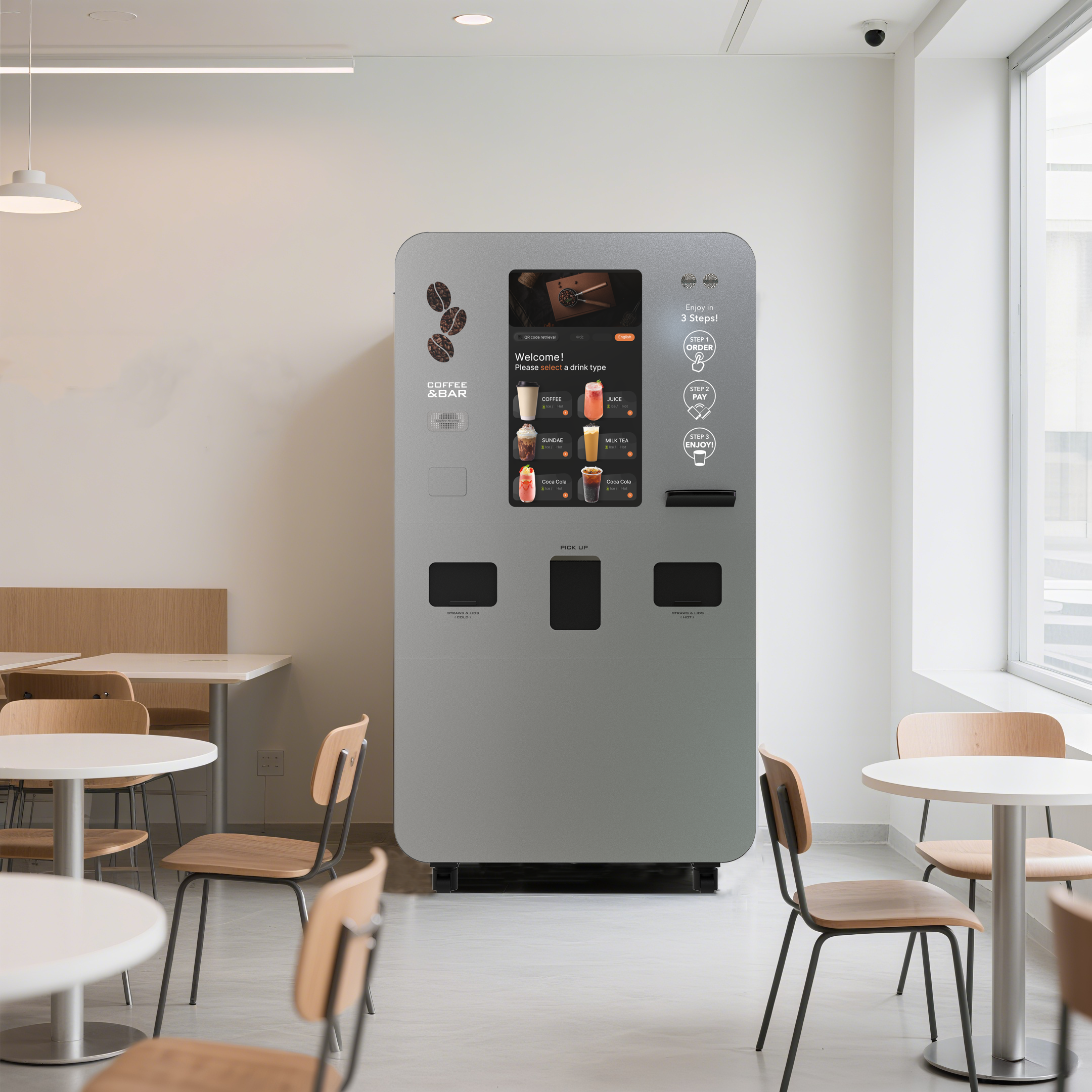
Implementing an industrial coffee vending machine successfully starts with picking a model that fits your space’s traffic, usage habits, and functional needs—and my years of helping factories, office parks, and retail hubs do this have taught me that one size never fits all. Hebei Langlichen Electronic Technology Co., Ltd. offers Loyalsuns industrial coffee vending machines tailored to diverse industrial and commercial scenarios, with the MG1-14BC-A standing out for high-traffic areas. This durable coffee machine features an automatic lidding ice making model, serves 200+ hot and cold drinks, and boasts a 300,000-cup total lifespan—thanks to its self-developed core modules and 53mm large-diameter brewing chamber. For smaller industrial settings or convenience stores, the MR1-14B-A is a perfect fit: it has a rotating cup carrying ice making mode, 30+ drink options, and 3-step simple operation, ideal for teams that value speed and simplicity. The International Commercial Equipment Association notes that 70% of failed vending implementations come from mismatched models, but Loyalsuns avoids this by combining industrial-grade durability with scenario-specific features—ensuring your machine works as hard as your business.
Commercial Coffee Machine: Key Considerations for Industrial Implementation
When implementing a commercial coffee machine in an industrial setting, you need to prioritize more than just drink quality—durability, safety, and compliance are non-negotiable. I consulted for a manufacturing plant that initially chose a consumer-grade machine, only to replace it with the MA2-21BT-A commercial coffee machine from Hebei Langlichen Electronic Technology Co., Ltd. after constant breakdowns. This model is built for industrial use: it has a full waterproof design, tool-free quick assembly, and operates reliably in high-temperature or dusty environments. It also holds multiple international certifications (CB, CE, EAC) to meet strict industrial safety standards, a must for regulated workplaces. The Specialty Coffee Association confirms that commercial coffee machines designed for industrial use reduce operational downtime by 60% compared to consumer models, as they’re engineered to handle continuous use. Loyalsuns’ commercial coffee machines also include practical features like the CIP fully automatic milk-path cleaning system and over-temperature monitoring—critical for maintaining hygiene and safety in busy industrial spaces.
Vending Machine Maintenance: Proactive Tips for Longevity
Vending machine maintenance is the secret to extending your industrial coffee vending machine’s lifespan, and Hebei Langlichen Electronic Technology Co., Ltd. designs Loyalsuns machines to make maintenance simple and effective. I worked with a logistics center that implemented the MB1-16BN-A fresh milk series machine, and their team was impressed by how easy upkeep was—thanks to features like tool-free disassembly and a brewing module that requires no maintenance for 50,000 cups. Proactive maintenance tips include regular filter changes (guided by the machine’s built-in alerts), cleaning the 53mm brewing chamber with provided tools, and checking the nitrogen module to ensure bean freshness. The machine’s IoT connectivity also helps with maintenance: managers receive real-time alerts for low supplies or potential issues, so they can address problems before they cause downtime. A 2025 Industrial Equipment Maintenance Report states that proactive vending machine maintenance reduces repair costs by 45% over three years, and Loyalsuns supports this with comprehensive after-sales guidance—including step-by-step maintenance videos and a professional support team.
Smart Coffee Dispenser: Leveraging Tech for Industrial Efficiency
A modern industrial coffee vending machine isn’t just a dispenser—it’s a smart coffee dispenser that drives efficiency and user satisfaction, and Hebei Langlichen Electronic Technology Co., Ltd. leads the way with IoT and AI integration. The MG1-14BC-A smart coffee dispenser is a game-changer for industrial settings: it uses IoT to track usage data, allowing managers to optimize drink offerings based on peak times and popular choices. It also supports multiple payment methods (contactless, account billing) and interface language customization—perfect for diverse industrial teams. I saw this in action at a multinational factory where the smart features let workers from different regions switch the interface to their native language, boosting usage by 32%. The machine’s SMB intelligent extraction system also ensures consistent, café-quality coffee every time, mimicking a senior barista’s skills with automated parameter adjustments. Industry experts note that smart coffee dispensers reduce waste by 25% through data-driven inventory management, making them a cost-effective choice for industrial implementations.
Durable Coffee Machine: Ensuring Reliability in Industrial Environments
The most critical factor for industrial coffee vending machine success is choosing a durable coffee machine that can withstand harsh conditions and heavy use—and Loyalsuns models from Hebei Langlichen Electronic Technology Co., Ltd. are built for this exact purpose. The MA2-21BT-A, for example, features a rugged design with industrial-grade materials, a burr grinder with a 1200-1400kg life, and a constant-temperature system that works reliably in extreme temperatures. I helped a construction site implement this machine, and it ran smoothly for two years with minimal maintenance—even in dusty, high-humidity conditions. All Loyalsuns durable coffee machines also include features like the R290 eco-friendly refrigerant in the ice-making module (for long-term reliability) and a 92L large-capacity refrigerated cabinet (reducing the need for frequent refills). The International Industrial Vending Association reports that durable coffee machines deliver a 3x higher ROI than cheaper alternatives, as they avoid costly replacements and downtime. For industrial environments where reliability is non-negotiable, Loyalsuns’ focus on durability—paired with Hebei Langlichen’s comprehensive support—makes implementation seamless and successful.

 Hot News
 EN
EN